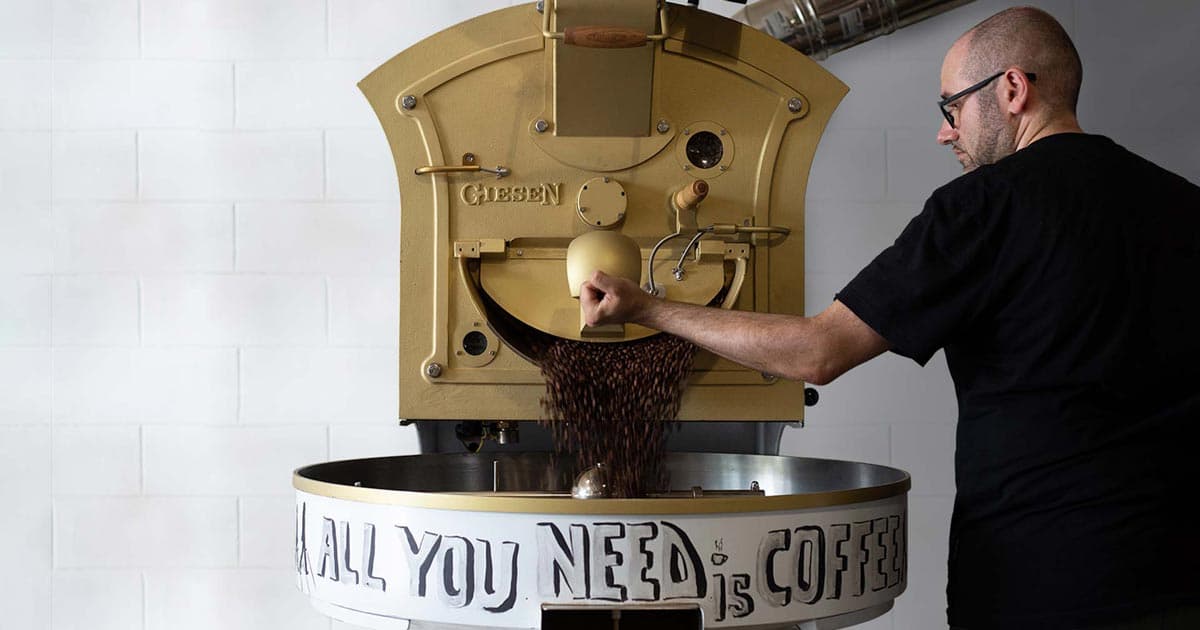

His Majesty the Coffee
Specialty micro-roastery from Monza, Italy, founded by Paolo Scimone.
Available Coffees(16)
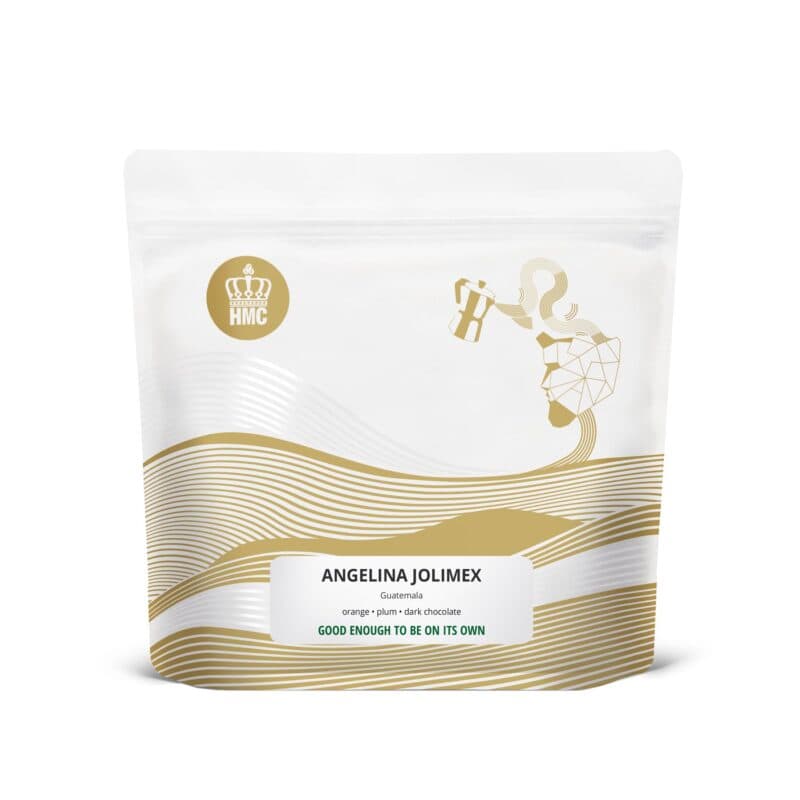
Arabica variety: Caturra Suggested for: espresso René Méndez owns Fince Jolimex in Huehuetenango. THis 1.3-hectare farm is fully planted with around 9,800 coffee trees consisting of Bourbon and Caturra. The coffee is picked and fermented for 36-48 hours before drying on patios for 6-8 days. Brewing recipe: Water Temperature: 94.5° C Ground coffee: 17 g (double shot) Ratio 1: 2,2 Pre-infusion : 3 seconds Total brew time: 24-26 seconds
Tasting notes
Available sizes
250 g
€17.00
1 kg
€17.00
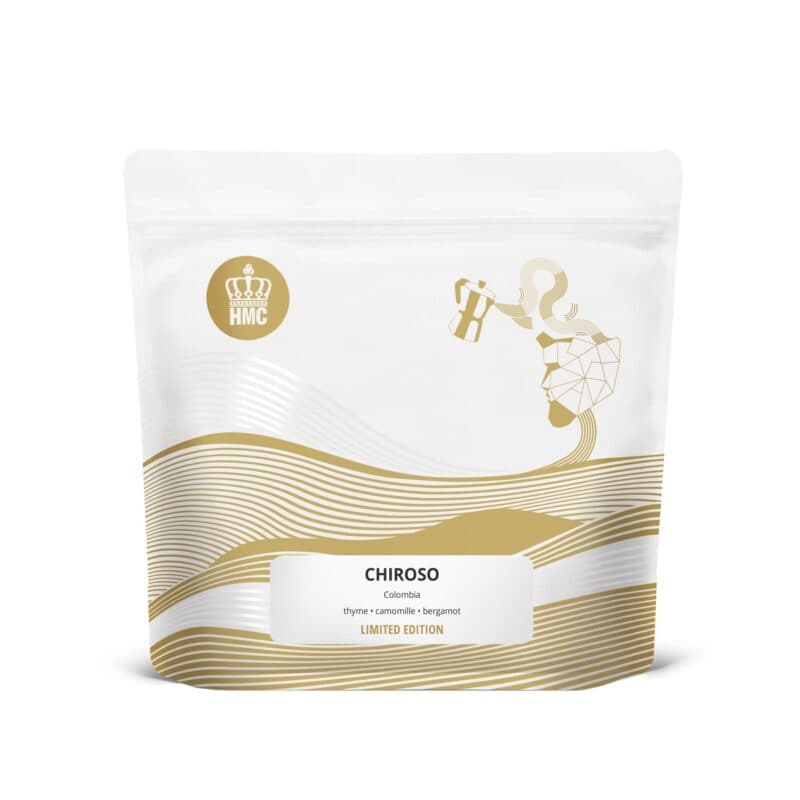
Arabica variety: Chiroso Suggested for: filter This coffee comes from 24-year-old producer Nestor Lasso and the El Diviso farm. The farm covers an 18ha area comprised of 15ha of coffee and 2ha of forest. The farm has a great diversity of varietals, currently home to caturra, colombia, castillo, tabi, pink bourbon, red bourbon, yellow bourbon, bourbon ají, caturra chiroso, geisha, sidra, java and pacamara. Nestor uses fully-washed, semi-washed and natural methods and uses parabolic dryers and raised African beds and some mechanical drying. 80,000 coffee trees grow here at a range of 1700 to 1850masl. Producer Nestor says, “We are the third generation that has been growing coffee. Our grandfather, José Uribe, was the founder of the farm El Diviso. With the work of all the family and constant savings we were able to build the infrastructure to process differentiated coffees; searching for better quality, both in coffee and our lives. After a long trial and error period we managed to standardise different processes, getting a better income in order to plant new varieties that allowed us to have better quality. One of our dreams is to produce specialty coffee that reaches all the world.” The farm uses a floating process in order to select the best, fully ripe cherries. These then undergo anaerobic fermentation in closed cans. The cherries are moved to a big tank for an oxidation process, where the leachates are collected so they can be used later on. Then the coffee is pulped for a 20 hour oxidation with mucilage in parchment. Submerged fermentation then occurs, where the leachates collected previously are added back to the coffee. To finish the fermentation phase the coffee is washed with hot water. Then the coffee is moved to parabolic dryers for 18–24 days until 11% moisture is reached.
Tasting notes
Available sizes
250 g
€25.00
1 kg
€25.00
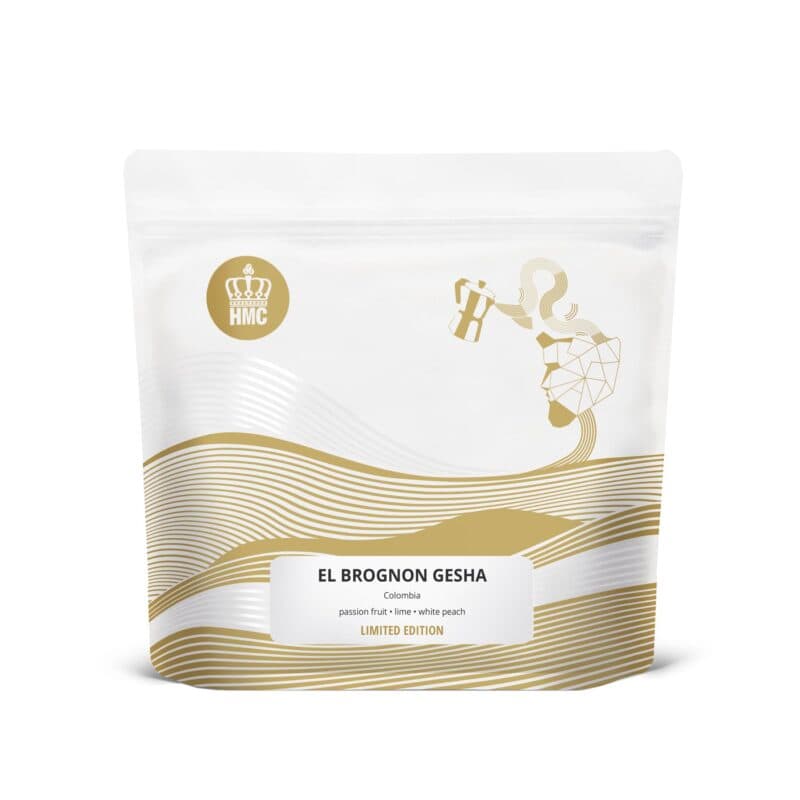
Arabica variety: Gesha Suggested for: filter El Brognon is a coffee lot produced by Ignacio Rodriguez, a dedicated grower from Anserma. At 41 years old, Ignacio manages La Palmera farm, located at an altitude of 1700 to 1850 meters above sea level. The farm cultivates several distinguished coffee varieties, including Castillo, Pink Bourbon, Colombia, and Gesha. Processing methods at La Palmera are carefully selected to suit each variety, combining fully washed and natural techniques. Mechanical drying is used across all coffees, with drying times ranging between 140 to 150 hours at temperatures kept consistently below 38°C to protect the quality and flavour of the beans. Every coffee cherry selected for this coffee undergoes a rigorous quality process. Cherries are first passed through an electronic sorter and then hand-sorted by experienced groups of women, ensuring that only the ripest, most pristine cherries move forward into processing. This intense attention to detail is a defining feature of the lot, contributing significantly to its exceptional character. Within this coffee, the Gesha selection follows a distinctive washed process. The cherries first experience a 36-hour aerobic fermentation in baskets before being pulped. After pulping, they undergo a second oxidation phase lasting another 36 hours, after which they are thoroughly washed. The beans then enter a controlled drying stage, completing a meticulous journey from harvest to finished product. Through this methodical and quality-driven approach, El Brognon captures the unique expression of its varieties and the dedication of its producer.
Tasting notes
Available sizes
250 g
€25.00
1 kg
€25.00
Arabica variety: Red Bourbon Suggested for: filter Established in 2003, Gatare washing station holds a significant position in Nyamasheke district, Western Province, as one of the first stations to process high-quality coffee for export. Despite being located in a competitive area where several washing stations share farmer populations, Gatare’s early establishment has cemented its reputation and influence. Surrounded by hills covered in coffee trees, the station has consistently performed well in the Cup of Excellence competition, frequently ranking among the top lots. Gatare boasts a large processing capacity, equipped with a 3-ton/hour McKinnon disc pulper, washing channels, dry fermentation tanks, and multiple soaking tanks. The station spans just 2 hectares but supports 1,096 local farmers, who collectively contributed 1,000 tons of cherries in 2017. However, competition from nearby stations has reduced annual production, with 600 tons processed in 2019 and an estimated 400 tons in 2023. The station has been managed by Fred, who brings a passion for learning and sees knowledge as the key to unlocking opportunities. Gatare employs seven full-time staff and an additional 90 seasonal workers, 80% of whom are women. Farmers contributing to Gatare typically have very small plots, averaging just 1 hectare, with some farms hosting as few as 10 coffee trees among other crops. Nevertheless, all farmers involved are trained to maximize the quality and yield of their coffee trees.
Tasting notes
Available sizes
250 g
€13.50
1 kg
€13.50
Arabica variety: Yirgacheffe Suggested for: filter Eva Gotiti Wet Coffee Processing Station is a coffee washing facility located in the South Region of Ethiopia, within the Gedeo Zone, Gedeb Wereda, Gotiti Kebele. The station follows strict water management and traceability practices, reducing water use, separating coffee pulp from wastewater, and implementing efficient record-keeping from farm to export. Eva Gotiti Wet Coffee Processing Station follows the washed coffee processing method, which involves several detailed steps to ensure premium quality. The process begins with sieving to remove debris like leaves and stones. The cherries are then washed and pulped to separate the fruit from the beans. Next, they undergo fermentation in water tanks under controlled temperatures to remove the mucilage. After fermentation, the beans are washed again before being dried in parchment form. Quality control is maintained by monitoring temperature, bean size, color, and odor to ensure consistency. Coffee traceability is also a priority, ensuring each lot is recorded, processed, stored, and shipped separately. The station is committed to environmental and social responsibility, providing coffee seedlings to the community, financial support to underprivileged farmers, and premium payments based on coffee deliveries. These efforts not only enhance sustainability but also strengthen the relationships between farmers and the washing station.
Tasting notes
Available sizes
250 g
€16.00
1 kg
€16.00

Product CASCARA (dried skins of coffee cherries) Origin Congo Variety Red Bourbon Proces natural lemon tea – black tea – elderflower Brewing Method : Infusion Temperature : 93 °C Total infusion time : 5 minutes Ratio: 7g / 250 ml Cascara, which means “husk,” “peel” or “skin” in Spanish, is the dried skins of coffee cherries. These pulped skins are collected after the seeds (aka coffee beans) have been removed from the cherries. They are then dried in the sun before they are packaged and shipped off. These dried bags of coffee cherries are not unlike bags of tea—the main visual difference is the pieces of cherries are slightly bigger than a tea leaf and have a leathery, woody look similar to dried raisins or the shell of a nut. The neat part about this whole process is that not only does it allow for the coffee plant to be used in a creative way, but it’s also eco-friendly. Normally coffee cherries are considered a by-product of the coffee-making process and are either discarded as waste or used as compost. Now these cherries are being reused to produce a unique drink of their own. The true secret of this cascara from Congo lies in the obsessive attention to quality — the result of years of farmer training, the distribution of millions of seedlings, and in-depth research into every step of post-harvest processing. Only the ripest cherries are handpicked based on their sugar content (Brix level), then laid out on raised beds to dry slowly under the sun. Once dried, they are dry-pulped. This method enhances the fruity, clean aromas and requires constant monitoring to prevent any unwanted fermentation.
Tasting notes
Available sizes
100 g
€6.00
1 kg
€6.00
Arabica variety: Bourbon Suggested for: filter Kahondo Coffee Washing Station (CWS) is one of 9 washing stations belonging to Virunga Coffee Company, setup by Schluter (now Covoya) in 2012 to produce high quality coffees for the specialty market and increase premiums for the thousands of smallholder farmers in the region. The strategy for Virunga has been three-fold: 1) To increase production through good agronomic practice 2) to improve quality through education and strict guidelines for production and processing 3) to obtain internationally recognised certification in order to generate better revenue for farmers. Virunga now have now trained over 11,000 famers in GAP (Good agricultural practices) and have partnered them in Organic and Rainforest Alliance certification. They have 40 field officers (trained agronomists) working in the region and distribute over 3 million seedlings a year to farmers in Eastern DRC.
Tasting notes
Available sizes
250 g
€15.50
1 kg
€15.50
Arabica variety: SL28, SL34 Suggested for: filter The Riakiberu Coffee Factory, situated in Murang’a County’s Kamacharia location, is part of the Kamacharia Farmers Cooperative Society. The area’s rich red-volcanic soils, high altitude, and cool temperatures between 16–26°C provide ideal conditions for coffee cultivation, complemented by an annual rainfall of about 1,200 mm. Farmers benefit from year-round agricultural training, focusing on good farming practices, proper manure and input application, and support services such as pre-financing for school fees, farm inputs, and emergency needs. Coffee here is cultivated on small plots, with cherries handpicked only at peak ripeness. The harvest process is meticulous: cherries are delivered to the washing station, sorted to remove underripe fruit and foreign matter, and pulped using clean local river water. The parchment coffee is then fermented for 12–24 hours, washed, and density-sorted before undergoing a final 24-hour soak to enhance cup quality. After processing, it is dried on raised tables in the sun for 2–3 weeks until fully cured, then hulled, rested, and packed in hermetically lined 60 kg jute bags for export. Through its long-term vision, Riakiberu Coffee Factory aims to strengthen trust-based relationships with its farmers, increase yields through training and resources, and bring premium quality coffee to market while ensuring farmers receive premium prices—contributing to the sustainable growth of Kenya’s coffee industry.
Tasting notes
Available sizes
250 g
€16.00
1 kg
€16.00
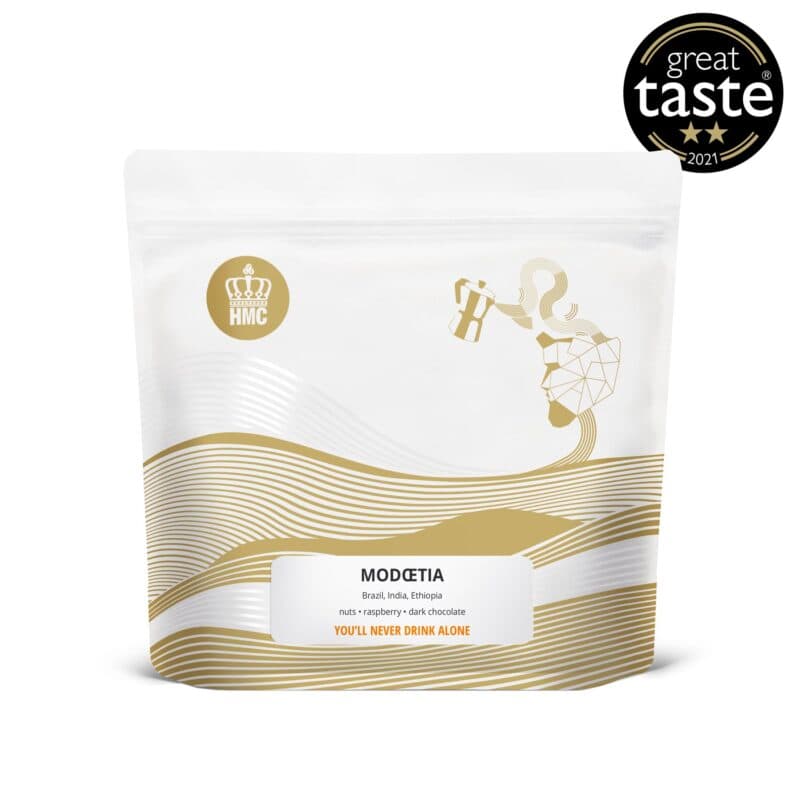
Modœtia is the first roman name of Monza (the city where Paolo lives and was born). This is the blend made for the Italian market: less acidity, full-body, nutty, with chocolate taste. Paolo chose the old name of Monza because he wanted to mix the high technology and way of roasting, with the tradition! The name Modœtia was born during the Italy Kingdom, VI century. The Queen Teodolinda was sleeping along the Lambro river, during a king’s hunting campaign. She dreamed a dove, which told her to dedicate that place to her Lord (MODO). Teodolinda answered: ETIAM (gratification to God’s will). Merging MODO and ETIAM the name Modœtia was created. Latin language: “Est Sedes Italiæ Regni Modœtia Magni” (Monza’s capital of the gorgeous Italian Kingdom). And that’s the story of our Modœtia! Every Modœtia label has a subtitle: “as Damy likes!” Damy is an abbreviation of Damiana, Paolo’s mother. He, therefore, wanted to dedicate this blend to her, that is reflecting a classic Italian palate. Composition: Brazil, mundo novo & catuai, natural India Plantation, kent, washed Ethiopia Yirgacheffe, heirloom, washed Brewing recipe: Water Temperature: 92,5° C Ground coffee: 16 g (double shot) Ratio 1: 2,5 Total brew time: 25-30 seconds
Tasting notes
Available sizes
250 g
€11.50
1 kg
€11.50
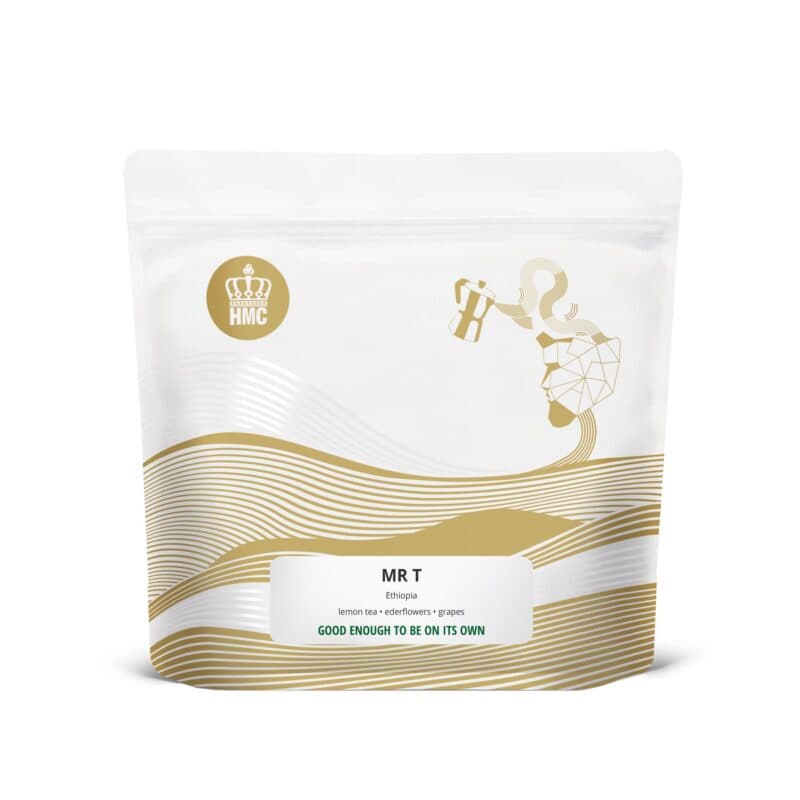
Arabica variety: Heirloom Suggested for: espresso This single producer lot comes from Mr. Tadese Teko in the Shale village near Worka town in Yirgacheffe. Mr Tadese Teko is one of millions of farmers who live in the highlands of Ethiopia and relied on coffee to support their livelihoods. He lived in Southern Ethiopia, Gedeo Zone, Gedeb district which is known for its high quality coffee production. He owns 8 hectares of land which is large by the standards of the area where average land size is 4 hectares. Mr Tadese has 9 children and he manages to send his children to school thanks to the income he receives from coffee sales. Farmers in the area usually create natural fertilizer utilizing waste and no chemical fertilizer is applied for coffee grown in such areas. Besides supplying their coffee most small-holder farmers in the area also work in the washing stations as laborers to get extra income during the picking season. Mr Tadese usually produces washed coffees and usually supplied to to nearby washing stations. He is honored to have his coffee separated out for its exceptional quality. Brewing recipe: Water Temperature: 93.5° C Ground coffee: 17 g (double shot) Ratio 1: 2,2 Pre-infusion : 3 seconds Total brew time: 25-27 seconds
Tasting notes
Available sizes
250 g
€15.80
1 kg
€15.80
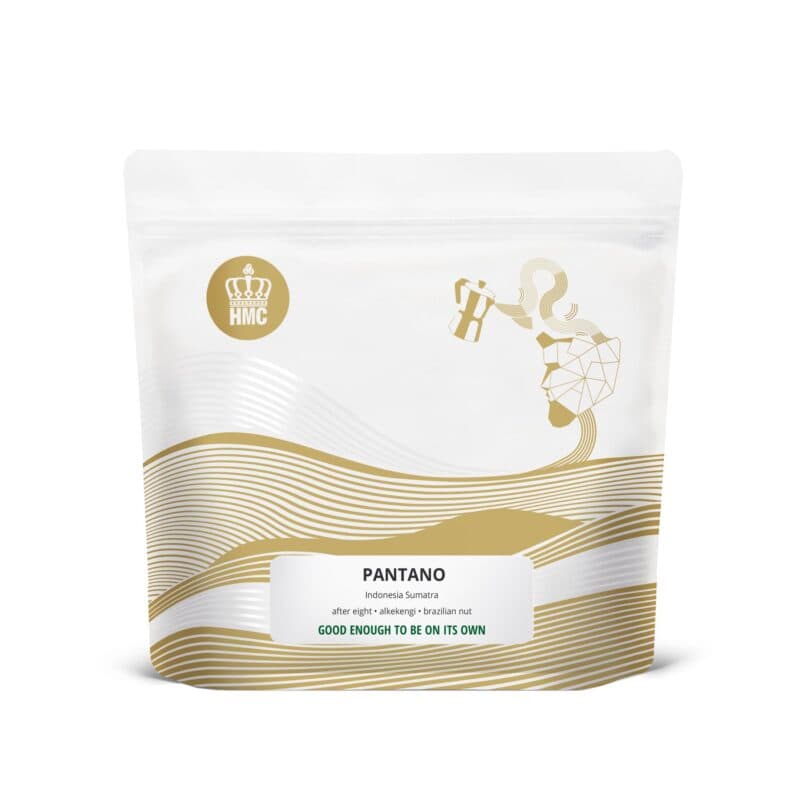
Arabica variety: Ateng – Bor Bor – Catimor Suggested for: espresso This coffee comes from a small mill in the Pegasing district of Takengon, in Sumatra’s coffee-famous Aceh region ran by Cup of Excellence winner Asman Arianto. The Asman Gayo mill serves several small coffee producers within the Pantan Musara villages. Several years ago, these producers were dislocated from their homes and land because of a natural disaster, and they have rebuilt their lives and farms with a new focus on coffee. Unlike the vast majority of other Sumatran coffee receiving and processing centers, this mill is producing Washed coffees, as well as Naturals. Brewing recipe: Water Temperature: 93.5° C Ground coffee: 18 g (double shot) Ratio 1: 2,1 Pre-infusion : 3 seconds Total brew time: 25-27 seconds
Tasting notes
Available sizes
250 g
€18.00
1 kg
€18.00
Arabica variety: Caturra Suggested for: espresso Temperature : 92,5°C Total extraction time: 25-27 sec Ratio: 1:2,4 The raw, unroasted coffee is moistened with water and put into a vessel where it is contacted with pressurized, liquid carbon dioxide. By circulation through the coffee, the carbon dioxide draws the caffeine out of the bean. In an evaporator the caffeine precipitates from the CO2 which, after evaporation and re-condensation, is pumped again into the coffee containing vessel for a new cycle. When the required residual caffeine level is reached, the CO2 circulation is cut short and the coffee is discharged into a drier where it is gently dried to about the original moisture content. After that the coffee is ready for roasting. The specific characteristics of this Natural Liquid Carbon Dioxide Coffee Decaffeination Process are: The compounds responsible for the flavor and the taste in the roasted coffee/coffee brew as well as the cell structure of the green and roasted bean are practically left intact (especially fine, high grade coffees benefit by this fact). Absolutely no health risk involved since the coffee is contacted only with 100 % safe substances: the chemically inert (and completely evaporating) carbon dioxide and pure water.
Tasting notes
Available sizes
250 g
€12.30
1 kg
€12.30
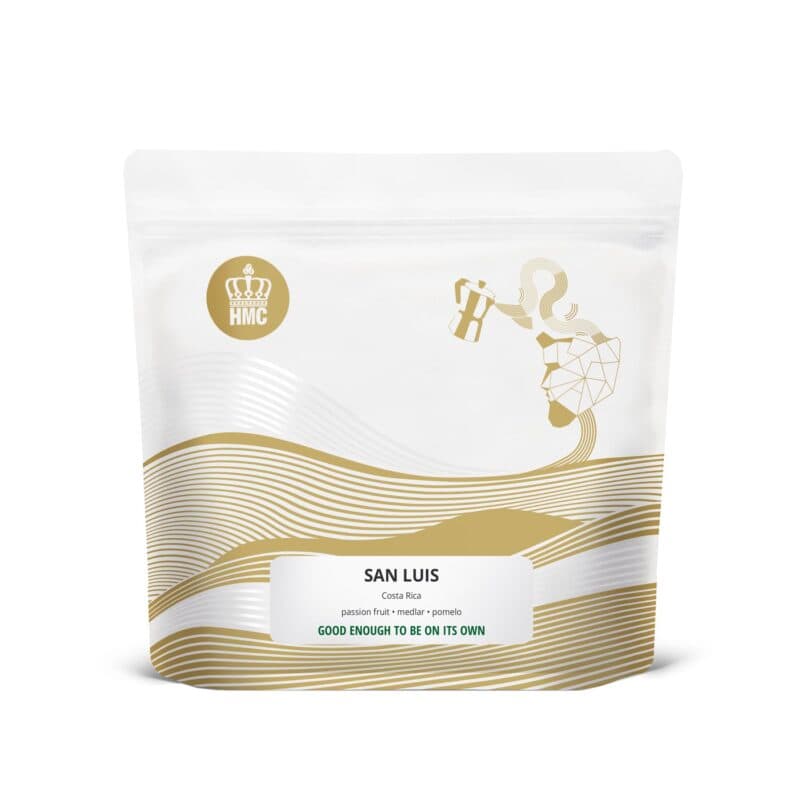
Arabica variety: Caturra – Orange Bourbon – SL-28 Suggested for: filter Cerro San Luis Micromill is a family business run by two siblings Alexander and Magali Delgado and their spouses, who own and operate both farms and a small mill in Grecia, in the West Valley. In the interest of improving their quality and remaining competitive, they have focused on growing different varieties, and about 4 years ago they replaced their older stock with 10 or more different types of coffee, including Caturra, Red and Orange Bourbon, SL-28, Catuai, Villa Sarchi, and Maragogype. The family’s farms are adjacent to one another, but the plots are given separate names for lot separation purposes, and the mill is located at the family home, just a few miles away. After harvesting, the cherry is brought right to the family home, where they are able to do a variety of different processes, from washed and honeys to natural. As is common at mills in Costa Rica, at Cerro San Luis the type of honey is decided by how much mucilage is left on the coffee after depulping. quality coffee to market while ensuring farmers receive premium prices—contributing to the sustainable growth of Kenya’s coffee industry.
Tasting notes
Available sizes
250 g
€17.00
1 kg
€17.00
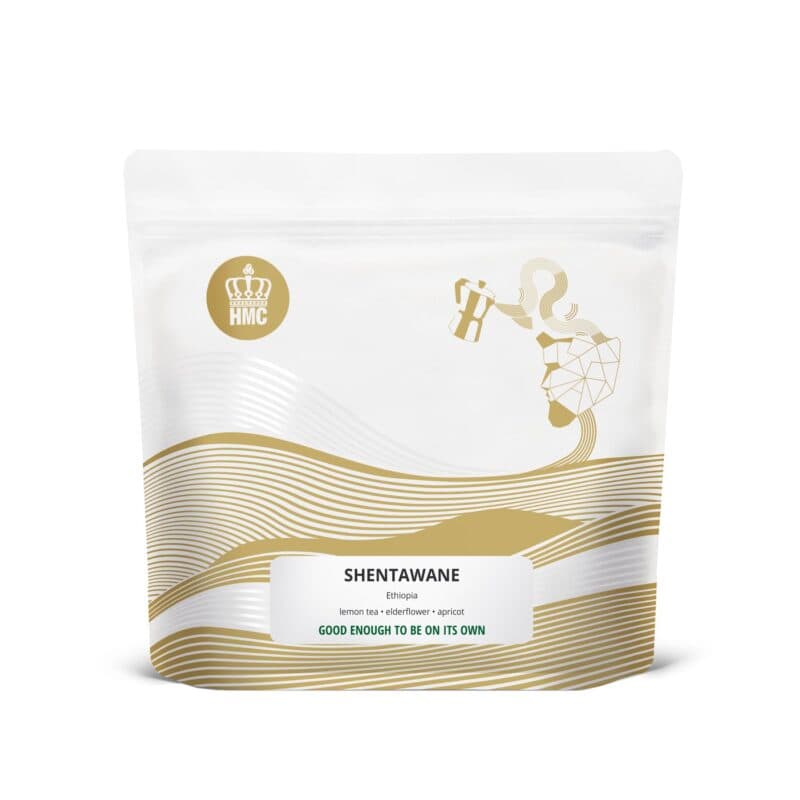
Arabica variety: Heirloom Suggested for: filter The Ayla Washing Station, situated in the village of Shantawene within Ethiopia’s Sidama region, is a notable hub for specialty coffee production. Operated by Testi Coffee, a family-owned enterprise founded by Faysel A. Yonis, Ayla is one of several stations under their management, processing coffees from nearby villages including Bombe and Shantawene. Coffees in Ethiopia are typically grown on very small plots of land by farmers who also grow other crops. The majority of smallholders will deliver their coffee in cherry to a nearby washing station or central processing unit, where their coffee will be sorted, weighed, and paid for or given a receipt. Coffee is then processed, usually washed or natural, by the washing station and dried on raised beds. The washing stations serve as many as several hundred to sometimes a thousand or more producers, who deliver cherry throughout the harvest season: The blending of these cherries into day lots makes it virtually impossible under normal circumstances to know precisely whose coffee winds up in which bags on what day, making traceability to the producer difficult. We do, however, make every available effort to source coffee from the same washing stations every year, through our export partners and their connections with mills and washing stations. Typically farmers in this region don’t have access to and therefore do not utilize fertilizers or pesticides in the production of coffee.
Tasting notes
Available sizes
250 g
€16.00
1 kg
€16.00
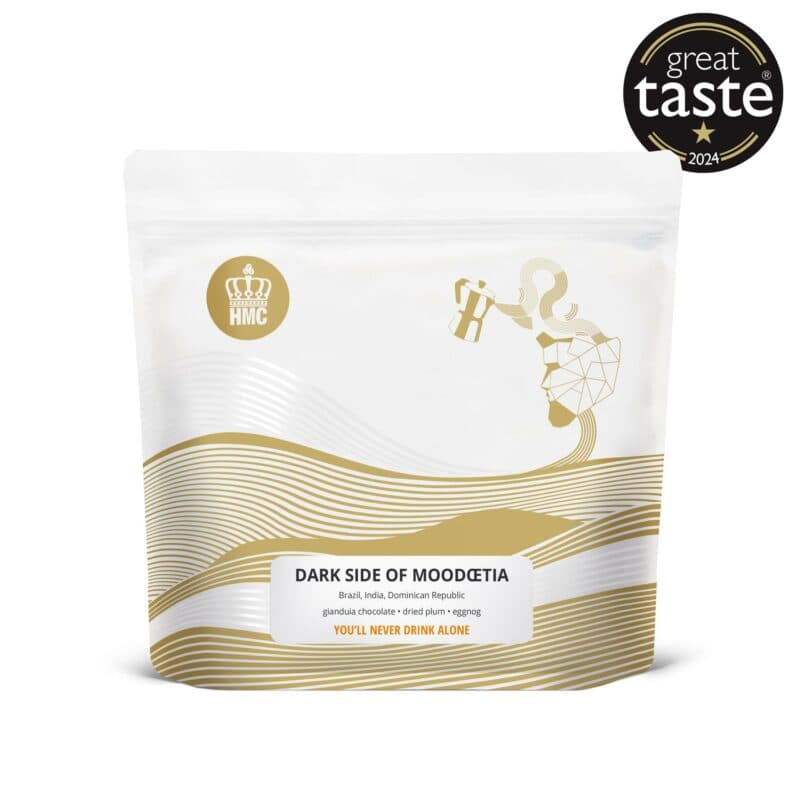
This specialty blend is our interpretation of the classic Italian strong espresso: a cup very smooth, rich in body, with milk chocolate and nuts flavour. It’s a 100% Arabica made by 3 single origins. Modoetia blend has a dark side, like everyone. Composition: Brazil, Yellow Catuai, natural Brazil, Typica, natural India, SLN9 and S795, washed Dominican Republic, typica & caturra, washed Brewing recipe: Water Temperature: 90-91° C Ground coffee: 15-15.5 g (double shot) Ratio 1: 2,5 Pre-infusion : 3 seconds Total brew time: 25 seconds
Tasting notes
Available sizes
250 g
€10.50
1 kg
€10.50
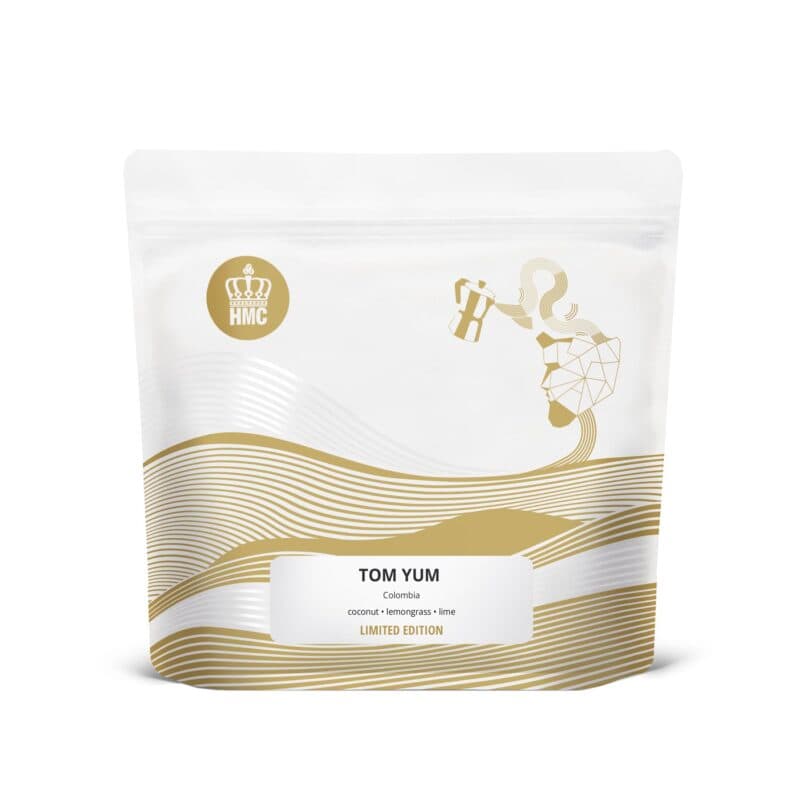
Arabica variety: Castillo Suggested for: filter Developed by our Research & Development team at our processing facility in La Plata, Huila, Colombia, this lot aims to elevate Castillo’s traditional and robust profile, complementing it with a dash of lemon and a hint of coconut sorbet. We buy de-pulped cherries from various producers in the region, whose farms range from 1,600 – 1,900 m.a.s.l and are an average of 3 Ha in size. Before delivering the wet parchment to Los Patios, these producers handle the first stage of the processing with 12 hour aerobic fermentation in cherry. Once at Los Patios, our R&D department adds the commercial coconut and lemonade concentrate, along with our own proprietary solution to the de-pulped coffee. There is an additional fermentation during this stage, but more so the focus is a transfer of the precursors available within our lemon coco concentrate + proprietary solution. This fermentation and absorption phase lasts for 2 days until the coffee is drained and dried in mechanical silos for 8 days straight, where it is monitored and rotated constantly to ensure an even drying.
Tasting notes
Available sizes
250 g
€25.00
1 kg
€25.00