D612 Coffee Roasters
Florence-based roaster specializing in high-quality, seasonal single-origin coffees.
Available Coffees(8)

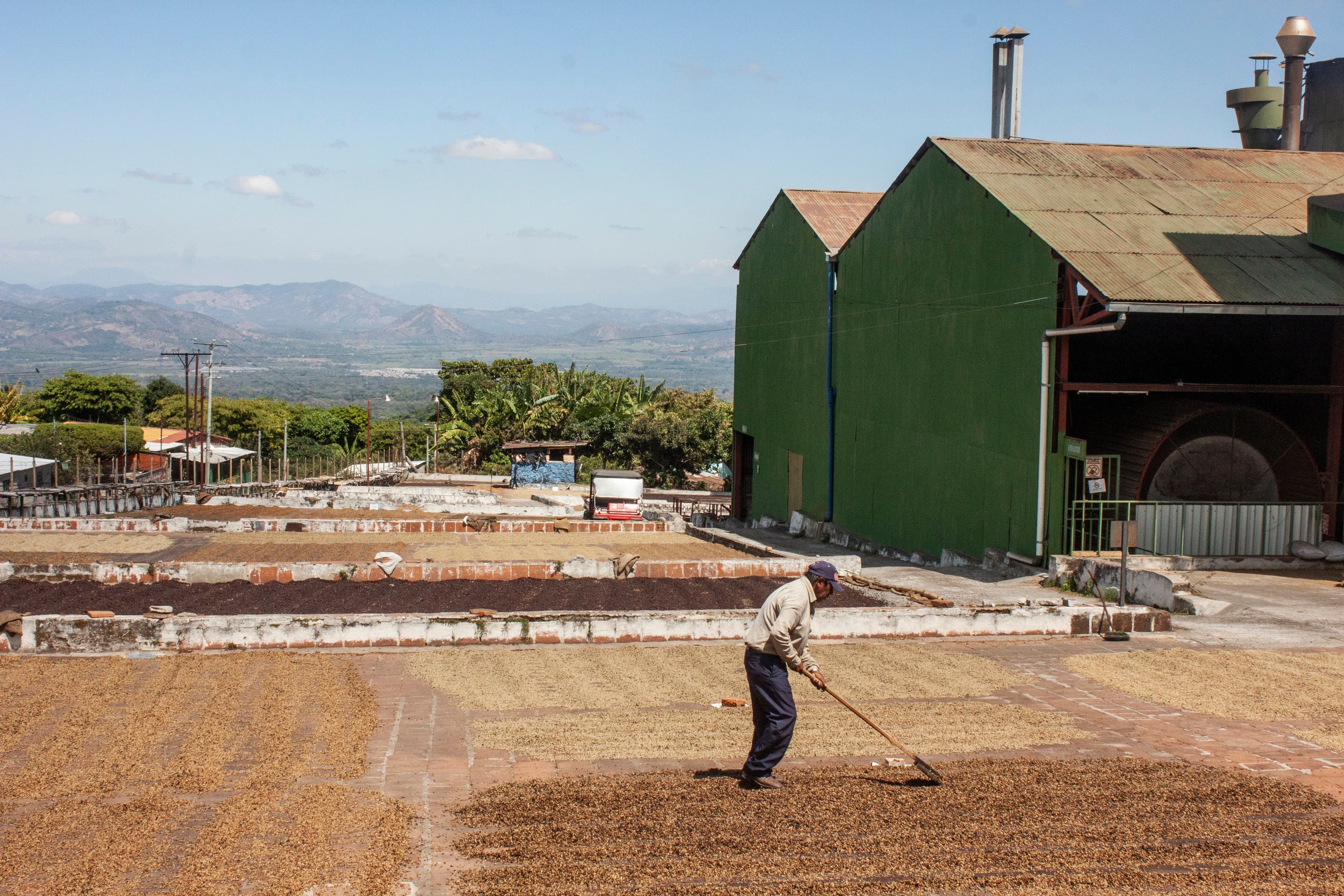
FERMENTED STONE FRUIT, RASPBERRY WHERE AND WHO The coffee is sourced from Yirgacheffe Aricha, The site, which has 200 beds, sources coffee from the Aricha area and has been operating for three years, working with Ephtah for the past two years. The farm spans 2.5 hectares, situated at an elevation around 2100 masl. The coffee is grown under false banana shade trees to avoid direct sun and protect from storms. The farm works following organic agriculture and is waiting for certification. FROM THE CHERRY TO THE BEAN After the harvesting, coffee cherries are sorted to keep only the perfect ripeness point. Then they are washed and the coffee undergoes fermentation in plastic barrels for nine days. At the end of fermentation all the cherries are layed on raised beds to dry for 13 to 18 days, till reach the right moisture percentage. ABOUT THE VARIETY HEIRLOOM Heirloom coffee is a compound phrase for several naturally occurring types of coffee found in Ethiopia. This term is commonly used to refer to local types, many of which are still present in the wild today. In this case the exact variety of this coffee is J.A.R.K 74/158, selected to for enhanced pest resistance and higher yields
Tasting notes
Available sizes
250 g
€19.00
1 kg
€72.00

BLACK TEA, LEMON In Gedeb, in the heart of southern Ethiopia, the Chelbesa Washing Station works with hundreds of small local producers who grow heirloom varieties at 2,200 meters above sea level. It's not just the extreme altitude that makes the difference, but the meticulous approach to processing. Each cherry is hand-selected, then washed with the purest spring water from the surrounding mountains. The washing process here isn't routine, it's art: minute-controlled fermentation, multiple washes, and drying on raised African beds for 10-15 days. The result? A coffee that tastes of fine black tea and fresh lemon, with a clarity and cleanliness that only Ethiopia can provide. Elegant, complex, memorable. WHERE AND WHO Chelbesa: Ethiopian excellence from the heart of Gedeb At 2,200 meters above sea level in the Gedeo region, the Chelbesa Washing Station is a hub for local producers. Hundreds of small growers bring their heirloom cherries here, native varieties passed down through generations. The secret to success? An obsession with detail: rigorous hand-selection, controlled fermentation, slow drying on raised African beds. Nothing is left to chance. At this washing station, they don't just process coffee: they preserve a thousand-year-old tradition, reinterpreting it with modern techniques. Each cup tells the story of Ethiopia, the birthplace of coffee. FROM THE CHERRY TO THE BEAN Between October and December, the ripe cherries are hand-picked and brought to the station within hours. First, the imperfect fruits are eliminated. Then comes the magic of the washing process. Immediate pulp removal, fermentation in concrete vats for 36-48 hours, and washing with spring water. But the final stage is played out in the drying process: 10-15 days on raised African beds, with the beans turned every 2-3 hours for perfect drying. It is this combination of extreme altitude, heirloom varietals, and meticulous process that creates the unique profile: notes of black tea and lemon, with a clean, crisp finish typical of the finest Ethiopian washed teas. ABOUT THE VARIETY Heirloom: the DNA of coffee Heirloom varieties are Ethiopia's genetic treasure, indigenous cultivars that grow only here. At 2,200 meters above sea level, in rich soil and an ideal climate, they express their full potential. In the cup? A rare elegance: distinctive notes of Earl Grey black tea and Meyer lemon, with a bright acidity and a silky body. A profile only Ethiopia can offer. Thanks to Gedeb's extreme altitude, the unique biodiversity of the heirlooms, and the perfectly executed washed process at the Chelbesa Washing Station, it's more than just specialty coffee: it's the very essence of coffee's origin.
Tasting notes
Available sizes
250 g
€18.00
1 kg
€68.00

LEMONADE, GREEN GRAPE WHERE AND WHO Sebastian Mejia is the vibrant heart of Finca Gonzalo, a tiny farm nestled in the mountains of La Peña, Santa Barbara, Honduras, at an elevation of 1600 meters above sea level. This farm is the fruit of a family's revival. Sebastian's family has a long history in the coffee world, and it is under his guidance that the transition to cultivating specialty coffee began. Finca Gonzalo spans 2.8 hectares and produces approximately 7,000 kg of high-quality coffee. The main varieties cultivated are Parainema and a small percentage of Gesha. FROM THE CHERRY TO THE BEAN After harvesting, which is done manually to select only cherries at the correct ripeness, the Honey process begins. The coffee cherries are left to ferment in plastic bags for 36 hours, an initial step to develop intense aromas. Following depulping, a dry fermentation of another 36 hours takes place. The next phase is drying in parabolic dryers, a process that lasts 15 to 18 days. During this stage, the beans are manually sorted to remove any defects, ensuring the highest quality. The use of the Honey process results in reduced water consumption, promoting the conservation of natural resources and environmental protection. ABOUT THE VARIETY PARAINEMA The Parainema variety is particularly common in Honduras. It's a selection of the Sarchimor variety, which itself comes from a cross between Timor and Villa Sarchi. Parainema is widely used due to its strong disease resistance and its excellent cup profile, which makes it suitable for producing exceptional coffees.
Tasting notes
Available sizes
250 g
€18.00
1 kg
€68.00

COCOA NIBS, TREACLE TART WHERE AND WHO Eduardo and Robson, Vilela's brothers, started their journey in coffee in 2001. Since first harvesting the farm production has been at the edge of quality in Brasil and allows the owners to invest in innovation and learning about new techniques and varieties. They also decided to over pay their partners to build a solid and durable team through the years. Southern Minas Gerais is one of Brazil's most productive coffee producing areas. This region has grown Arabica coffee since the 1850s and is characterized by rolling hills, a mild climate averaging 23°C, and high elevations.Most of the coffee produced is processed as Natural and the final cup profiles are full bodied, with low acidity and fruity aromas. FROM THE CHERRY TO THE BEAN This coffee follows a classic natural process. After the harvesting all the cherries are sorted based on ripeness and only the best cherries are selected. After selection the cherries are placed in the drying yard for at least 15 days. After this first drying step all the cherries are moved to a rotary dryer (28°C for 24h) to complete the drying process in the most uniform way. Before being packed, the beans rest for 5 days in open air. ABOUT THE VARIETY ARARA Arara is a newer variety from Brazil, discovered in 2012, that's prized for its high scoring cup combined with resilience and productivity. This variety is a cross between Yellow Catuai and Obatã, itself a Timor hybrid. Arara is becoming popular thanks to his quality potential united to the smaller size and the resilience to common coffee diseases and leaf rust. It is also a good choice for those concerned about climate instability. It is tolerant of water deficiency and droughts, yet also handles harvest rains relatively well because the fruits are more firmly attached to the branches.
Tasting notes
Available sizes
250 g
€12.00
1 kg
€44.00

BLACKBERRY, RED CHERRY On the banks of the Gura River, where the cold water flows from the Aberdares toward Mount Kenya, five hundred families wake up before dawn. You'll never know their names, they don't have Instagram, they don't win awards. But when you taste this coffee, you'll understand they know only one thing, and they do it damn well. Each cherry is hand-picked, with that patience we lost somewhere along the way. At Othaya station, they process them as their fathers did—river water, slow fermentation, obsessive washing—then they spread them out in the sun and turn them over and over again. The SL28 and SL34 varieties grow on volcanic soil at almost 2,000 meters, where the air is thin and the plants have to fight for every bean. And you can taste it. Exploding pineapple, ripe mango, the sweetness of sugarcane, cherries so alive they seem freshly picked. It's not just coffee. It's Kenya that gets inside you and never leaves. WHERE AND WHO Nyeri isn't just a dot on the map of central Kenya. It's that magical place where the Aberdares meet Mount Kenya, where the cold mountain air slows everything down—the ripening of cherries, the metabolism of plants, even time itself. Here, coffee grows as it should: calmly, between 1,700 and 1,900 meters, on that red volcanic soil that locals simply call "the good land." The Gura mill stands right where the river cuts through the valley. It's one of the nineteen jewels of the Othaya FCS cooperative, but for the five hundred producers who work there, it's the place where their cherries become the coffee that drives cuppers around the world crazy. Each family brings their harvest here—small batches, a few bags at a time—but it's precisely this fragmentation that creates the magic. Five hundred different interpretations of the same terroir, all converging in a single extraordinary cup. The volcanic soils never lie: they drain perfectly, retain the right minerals, and give the beans that density that then becomes pure complexity. FROM THE CHERRY TO THE BEAN Kenya's washed process is a precise dance that requires perfect timing. It's more than just a process; it's almost an obsession. The cherries arrive at the mill still warm from the sun and are immediately pulped, leaving only the seed wrapped in its sticky mucilage. Here begins the magic of fermentation: 24-48 hours in tanks of clean water, while the bacteria do their silent work, dissolving that slimy layer down to the last residue. Then comes the washing time. Fresh water from the Gura River, over and over again, until the parchment literally sings between the fingers—that clean sound every Kenyan processor knows. The African raised beds do the rest: direct sunlight, air circulating above and below, hands turning the grains every two hours like a mantra. Ten, twelve days of this obsessive routine. Acidity that tingles like freshly squeezed pineapple juice, ripe mango sweetness melding with brown sugar, and those cherry notes that remind you why you started drinking specialty beers in the first place. ABOUT THE VARIETY The varieties here are pure history: SL28 and SL34. Born in the 1930s in the Scott laboratories in Nairobi, when someone had the right idea: to select not only for drought resistance, but for what happens in the cup. Exceptional genetics meet elite terroir. The plants sink their roots into mineral-rich volcanic soil, while the altitude forces each cherry to ripen at a maddeningly slow pace, concentrating sugars and acids to impossible proportions. The beans emerge dense as bullets, loaded with the complexity that will then explode in your cup. AA grade? In the Kenyan system, it means you're holding the best of the best. Those beans that when you pour them into the grinder, you can taste the difference even from the sound alone.
Tasting notes
Available sizes
250 g
€18.00
1 kg
€68.00

TOFFEE, CHERRY BLOSSOM Oscar and Francisca run six farms on the slopes of the Poás volcano in Costa Rica with their four children. They aren't big producers, producing around 2,000 bags a year, but their obsession with quality shines through in the cup. They hand-pick each cherry when it's perfect, and dry it in the sun, manually flipping the rind instead of raking it. Details that seem small, but they change everything. They grow the SL28 variety on volcanic soils between 1,300 and 1,500 meters above sea level, following rigorous organic principles: zero chemicals, composted pulp, and a cubic meter of water per day. They don't do it for marketing; it's simply their way of working. The result is a coffee that tastes of cherry blossoms, rose hips, caramel, and bubble gum. Complex, clean, unforgettable. Exactly what we're looking for. WHERE AND WHO Las Lajas – Black Diamond: Family Coffee from the Heart of Costa Rica On the slopes of the Poás volcano in Costa Rica's Central Valley, the Chacón family has been growing premium coffee for generations. Six brothers, six farms, one passion. Their secret? 100% organic farming, zero chemicals, minimal water consumption, and a lot of experimentation. Oscar and Francisca run the mill with their four children, producing about 2,000 bags a year at an altitude of between 1,300 and 1,500 meters. They don't just grow coffee here: they're constantly searching for new aromatic profiles, experimenting with rare varieties like the SL28. Each cup tells their story, that of a family that respects the land and focuses on innovation. FROM THE CHERRY TO THE BEAN Between December and February, each cherry is handpicked at the perfect ripeness. No rush, just attention to detail. After harvesting, the defective fruit is removed using the Penagos flotation system, then the fruit is sun-dried on raised beds. The special touch? The rind is turned over strictly by hand, not with a rake. This simple gesture ensures perfectly even drying. It's this blend of tradition and innovation that makes the difference: ancient techniques combined with sustainable technologies, for an exceptional coffee that respects the environment. Because quality can't be improvised, it's built cup by cup. ABOUT THE VARIETY SL28: when terroir works magic Rich volcanic soils, altitudes between 1,300 and 1,500 meters, and a perfect subtropical climate. This is where SL28 grows, a variety that thrives in these conditions. In the cup? An explosion of aromas: balsamic and floral notes reminiscent of cherry blossoms, rose hips, caramel, and even bubble gum. A complex aromatic profile that surprises with every sip. Thanks to the Central Valley's unique terroir, of course, but also to the Chacón family's meticulous care and their 100% organic approach. Las Lajas – Black Diamond is more than just high-quality specialty coffee: it's the authentic expression of a territory and those who cultivate it with passion.
Tasting notes
Available sizes
200 g
€26.00
1 kg
€120.00

Peach, Butterscotch WHERE AND WHO This particular plot comes from El Perlamayo, a farmers' cooperative with very small plots of land measuring just 2 hectares. The families who run the cooperative are primarily the Rioja family and the Vasquez brothers. The cooperative is located at an altitude of approximately 2,000 masl, and this area is cultivated with Caturra and Bourbon coffee varieties. Higher elevation areas, like this one, are more affected by climate change, highlighted by increased droughts. To address these issues, strategies such as planting shade trees, implementing irrigation, and maintaining the soil are used to mitigate climate-related risks. FROM THE CHERRY TO THE BEAN Once the harvest is complete, the coffee cherries are manually selected to improve the crop's homogeneity. The cherries are left to rest for 48 hours after harvest. They are then depulped and fermented for another 48 hours in plastic bags. After fermentation, they are thoroughly washed and then dried on raised beds that promote air circulation and even drying, preventing mold growth. ABOUT THE VARIETY CAPTURE The Caturra variety is a natural mutation of the Bourbon variety. It was first discovered in Guatemala in the mid-1900s. It is characterized by smaller plants, which can therefore be planted closer together, ensuring greater productivity per unit of area. In Colombia, the Caturra variety has become widespread in recent years, when in 2008 the government encouraged the replacement of older plants with the new, more resistant and higher-yielding variety.
Tasting notes
Available sizes
250 g
€18.00
1 kg
€68.00

DARK CHOCOLATE, MON CHÈRI The Snatch" marks a deliberate departure from our tradition. Since 2016, our dedication has been exclusively to single-origin coffees. However, due to the profound crisis impacting the coffee market and the increasing difficulty in sourcing Brazilian coffee, we've made the conscious decision to make this "snatch." We firmly believe that our focus on pursuing productive excellence, combined with the potential of these two distinct origins, can constitute a significant improvement to counteract the challenging situation in the Brazilian market. WHERE AND WHO KABIRA - ETHIOPIA (50%) The Kabira Farmers Cooperative is located in the Jimma zone, in western Ethiopia. The association was founded by Mustefa Abakeno, who, after establishing the first washing station called Beshasha, wanted to unite the small producers of the area to simplify the processing of their harvests. Over the years, the cooperative has expanded to become one of the most important in the region. CAIXA DA FRUTA - BRASILE (50%) This coffee lot is harvested at Rancho Grande farm, in the South of Minas region of Brazil. Jose Carlos Reis and his son Flavio manage this farm with the primary goal of producing high-quality coffee while also preserving the ecosystem in which the farm is rooted. For this reason, the farm is constantly evolving, studying and applying increasingly innovative production techniques aimed at reducing the social and environmental impact of the product. FROM THE CHERRY TO THE BEAN Both coffees in this blend undergo the natural process. After harvesting, the cherries are manually selected based on their ripeness to ensure the most homogeneous yield possible. Drying takes place on raised beds where the cherries are periodically rotated to prevent mold formation. Once the correct moisture level is reached, the cherries are transferred to covered sheds where they rest for 5 days before being bagged. ABOUT THE VARIETY HEIRLOOM The Heirloom variety identifies a wide range of indigenous species from Ethiopia. This term encompasses all species that were already part of Ethiopia's botanical heritage before the advent of so-called "hybrids," which are species naturally or artificially selected to emphasize their characteristics. In this case, the exact variety of this coffee type is J.A.R.K 74/158, used because it is more productive and resistant to pest attacks. ACAIA Acaiá (also known as Acaiá Cerrado) is a rare variety found mainly in Brazil. Its name reportedly means "large fruit" in the Tupi-Guarani language. Acaiá is a natural mutation of Mundo Novo, which is itself a natural hybrid between Typica and Bourbon. This variety has adapted well to the Brazilian climate and weather conditions, showing particular success at an altitude of 800 meters above sea level or higher. Acaiá trees have a characteristic triangular shape that allows them to uniformly capture sunlight.
Tasting notes
Available sizes
250 g
€14.00
1 kg
€52.00